Every Kenyan business that was buying posters five years ago is buying video now. Churches stream services, schools produce promos, SACCOs make explainer clips, and every brand with an Instagram account needs a steady supply of short vertical video. The demand has grown far faster than the supply of editors who can be relied on to deliver on a deadline.
That last part is the whole opportunity. Reliability is rarer than talent in this market.
What the job really involves
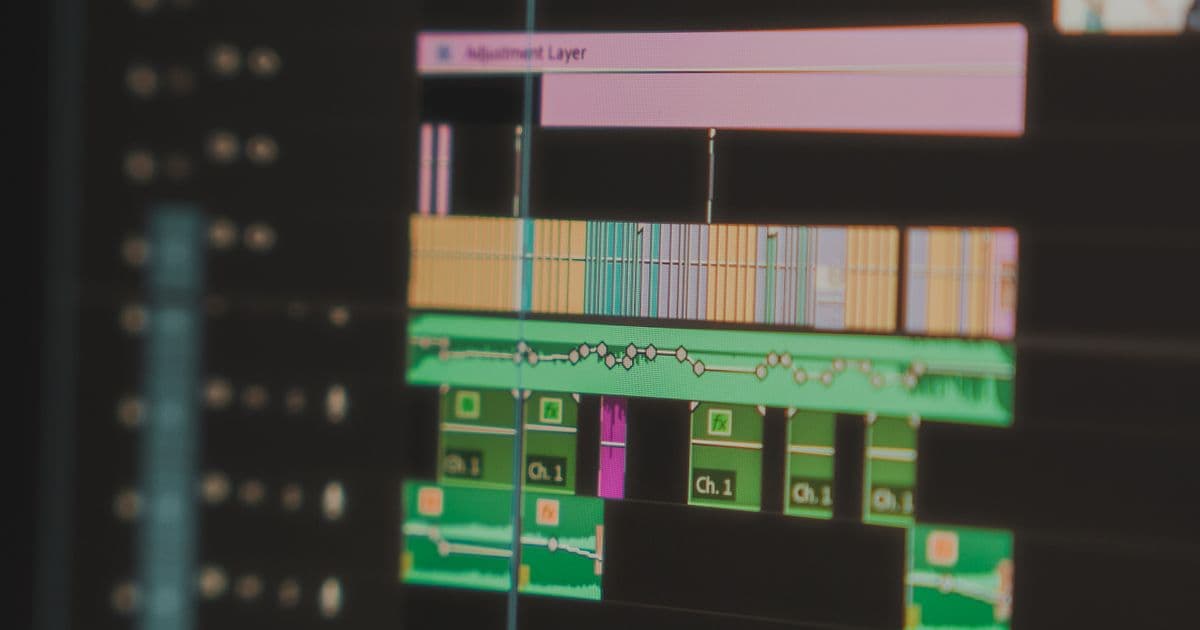
Editing is not mostly about effects. On a typical paid job the time goes on:
- Watching and logging footage. Genuinely the biggest block of hours.
- Assembly. Building a rough cut that tells the story.
- Pacing. Cutting the rough version down until nothing is slack.
- Audio. Levels, noise, music. Viewers forgive poor picture and never forgive poor sound.
- Colour. Matching shots first, grading second.
- Revisions. Always more than you planned for.
Choose one editor and commit
Adobe Premiere Pro
The most common requirement in Kenyan job adverts and the safest choice if you want to be employable in an agency or production house. Start with Adobe Premiere Pro Comprehensive Course, or the shorter Premiere Pro | Beginner to Advanced if you want the fast version.
DaVinci Resolve
The strongest argument for Resolve is money: the free version is not a trial or a crippled demo, it is a professional editor, colourist and audio suite that costs nothing indefinitely. On a Kenyan budget that matters enormously. Its colour tools are the industry benchmark.
Start with Introduction to DaVinci Resolve for the overview, then DaVinci Resolve Comprehensive Course for the depth.
Which to pick
Want a job in a Nairobi agency: Premiere. Want to freelance and keep costs at zero: Resolve. Undecided: Resolve, because you can start today without a subscription, and moving to Premiere later takes about a week — the concepts are identical, only the shortcuts differ.
Learn the eye, not just the software
Knowing the software makes you an operator. What makes you an editor is judgement about rhythm, when to cut, and what to leave out. Two things build it fast:
- Re-edit existing footage. Take a video you like, get similar free stock footage, and try to reproduce its pacing. You will learn more in a weekend than in a month of tutorials.
- Cut the same material three ways. A 30-second version, a 60-second version and a 15-second vertical version. Kenyan clients ask for exactly this, and the discipline of cutting to length is the skill they are paying for.
Shooting helps, even if you only edit
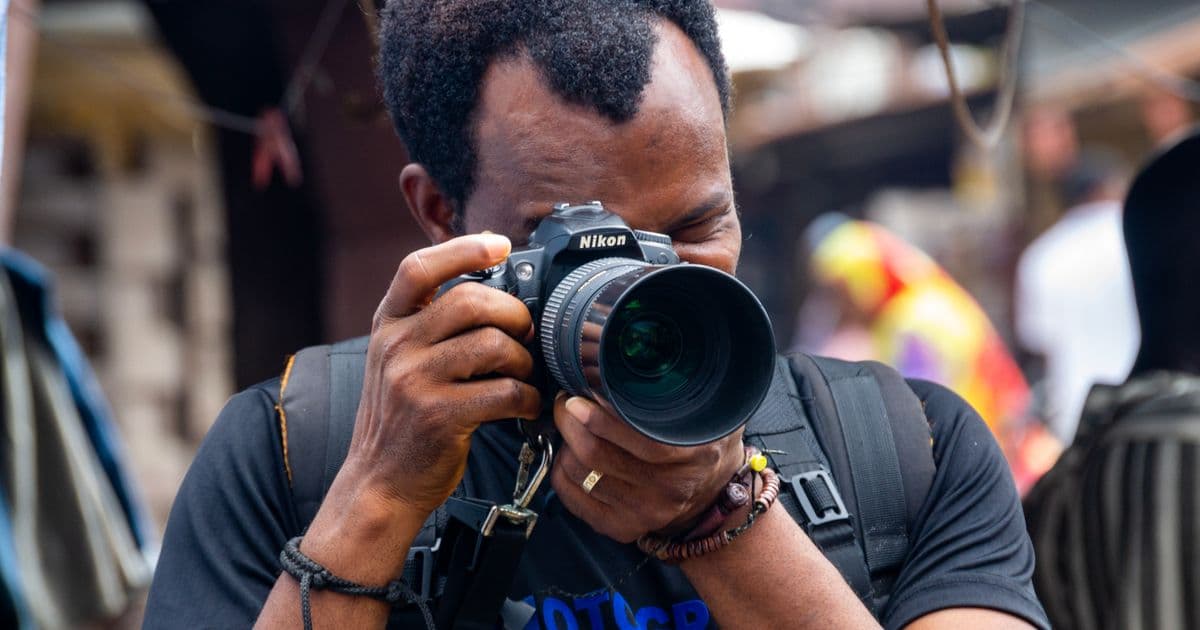
Understanding how footage is captured changes how you cut it, and it lets you take jobs where you both shoot and edit — which is most small-business work in Kenya.
Mastering Mobile Photography is a fast route in, because a modern phone shoots video good enough for social media clients. Essential Photography covers exposure, composition and light, which apply identically to video.
Your showreel
A showreel is 60 to 90 seconds, opens with your strongest four seconds, and never includes anything you are lukewarm about. Alongside it, keep two or three complete pieces so a client can see you finish things.
If you have no client work yet, make some: cut a promo for a real local business, a highlight reel from a community event, a short documentary about somebody in your area. Unpaid is invisible to the viewer; unfinished is not.
How editors get paid here
- Per project. Most common. Agree the number of revisions in writing before you start — unlimited revisions is how a profitable job becomes a loss.
- Per day. Production houses often hire this way for shoots and edits.
- Retainer. The best arrangement: a fixed number of videos a month for a fixed fee. Steady income, and worth pursuing from your first client.
Check current rates against live listings on BrighterMonday and Fuzu, and talk to editors already working. Beginners in this field routinely charge a fraction of what the job is worth because nobody told them otherwise — Stop Chasing Clients covers pricing and positioning directly.
Where the work comes from
- Production houses and agencies — steady employed and freelance work, mostly in Nairobi.
- Churches, schools and NGOs — regular, undemanding, and pay on time.
- Content creators — Kenyan YouTubers and podcasters outsourcing editing, often on retainer.
- International remote work — Upwork and Fiverr, where a reliable editor in a favourable timezone is genuinely competitive.
Practical realities
- Storage. Video eats disk. Budget for an external drive early; losing a client's footage ends the relationship.
- Machine. RAM and a decent processor matter more than anything else. Resolve runs on modest hardware if you use proxies.
- Delivery. WeTransfer and Google Drive are what Kenyan clients expect. Have a system.
- Backups. Two copies of everything, always, until the client has signed off.
A four-month plan
- Month 1: One editing course, finished. Cut three short pieces from free stock footage.
- Month 2: Audio and colour. Re-cut month one properly.
- Month 3: Two real projects, free or cheap, for people you know.
- Month 4: Showreel, plus approaching ten businesses with a specific idea for their content.
Every course is free. Create a free account to save your progress and earn a verifiable certificate, then start with DaVinci Resolve or Premiere Pro.