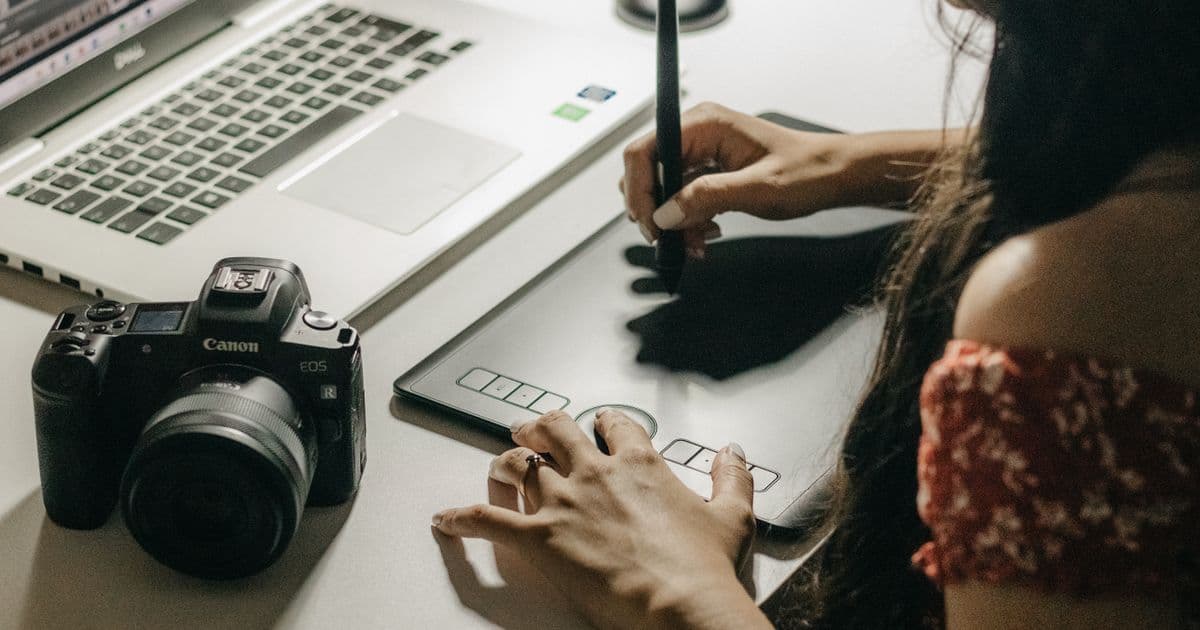
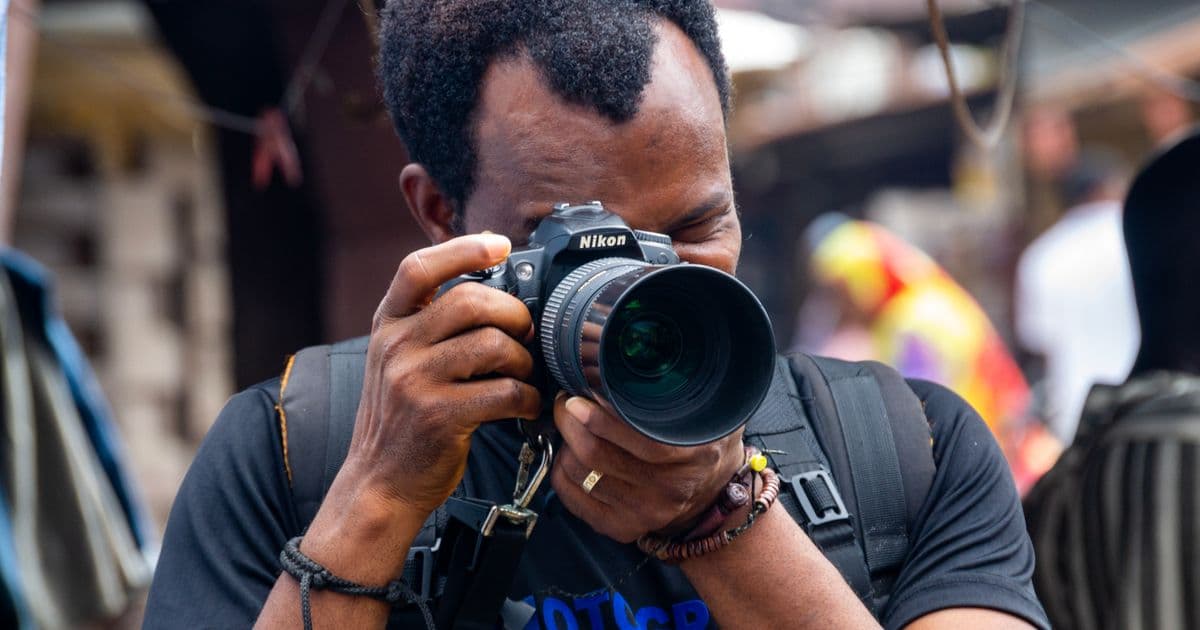
The most common reason Kenyans give for not starting photography is the camera. It is also the least valid one. A modern phone in good light produces images that would have needed professional equipment fifteen years ago, and the gap between a beginner and a professional has almost nothing to do with the sensor.
It has to do with light, composition, and knowing what the client actually needs. All three can be learned before you spend a shilling on gear.
Start with the phone in your pocket
Beginning with a phone is not a compromise, it is a sensible sequence. You always have it, so you shoot more; and shooting more is the only thing that makes anyone better.
Mastering Mobile Photography covers getting professional results from a phone. Product shots for small businesses, event coverage for social media and portraits for personal branding are all genuinely sellable from a phone today.
Learn the craft, which is camera-independent
Exposure, composition, light and timing behave identically on a phone and a professional body. Learn them once and they transfer to any camera you ever pick up.
Essential Photography: Learn the Craft, Fast is 11 lessons on precisely this foundation.
The one thing that matters most
Light. Not the camera, not the lens, not the editing. Beginners shoot at midday in harsh overhead sun and wonder why their pictures look flat and their subjects have raccoon eyes. Shoot in the hour after sunrise or before sunset, or in open shade, and your work will improve more than any equipment upgrade could achieve.
Editing is half the job
Professional images are made twice: once in the camera and once in editing. Skipping this stage is the most visible marker of an amateur.
- Adobe Photoshop: The Ultimate Guide — retouching, compositing, correction.
- The Frequency Separation Masterclass — 14 lessons on the technique behind professional skin retouching. Portrait and beauty clients notice this immediately.
Choosing a niche that pays in Kenya
"Photographer" is not a business. A niche is.
- Events. Weddings, graduations, corporate functions, ruracio. The largest market by volume. Weekend work, high pressure, no second takes.
- Product photography. Growing quickly as Kenyan businesses sell online. Can be done in a small room with daylight and a white sheet. Frequently retainer work, which is rare and valuable in photography.
- Portraits and personal branding. LinkedIn headshots, professional profiles. Steady, straightforward, repeatable.
- Real estate and hospitality. Well paid and less competitive, because it needs specific technical skills.
- Documentary and NGO work. Harder to break into, better rates, meaningful subject matter.
Product photography is the most sensible starting niche: lowest equipment requirement, most repeat business, and the client can measure whether it worked.
Building a body of work before anyone books you
- Shoot the same subject fifty times. One object, fifty different lights and angles. It teaches more than fifty different subjects once.
- Offer free shoots deliberately. Five people, on the condition you can use the images. Choose subjects that match the niche you want.
- Photograph small businesses near you. A shop, a stall, a salon. Send them the images free. Some will pay next time; all of them will talk.
- Show only your best twenty. A portfolio is judged by its weakest image.
How to Build A Portfolio covers presenting the work so it reads as professional.
Equipment, in the order to buy it
- Nothing. Use your phone for the first three months.
- A used entry-level DSLR or mirrorless body with a kit lens. Second-hand is normal in Kenya and perfectly sensible.
- A 50mm prime lens. Cheap, and the single biggest visible jump in image quality you will ever buy.
- A reflector, then lighting. Controlling light beats buying a better camera every time.
- A better body. Last. Genuinely last.
Pricing and getting booked
Photographers in Kenya undercharge more consistently than almost any other creative trade, largely because beginners quote against each other in Facebook groups rather than against the value of the work. Price by package and deliverable — number of edited images, delivery time, usage rights — not by the hour.
Bookings come from Instagram, from wedding and event vendors who refer work, from Google Business Profile listings for local searches, and above all from people you have already photographed. Stop Chasing Clients covers building a reputation that brings enquiries to you.
Add video and double your rate
Most clients booking a photographer now also want video, and paying one person for both is easier for them than coordinating two. Premiere Pro or DaVinci Resolve makes you the person they book.
Start this week
Take Essential Photography and Mastering Mobile Photography — both free, both doable with the phone you already own. Create an account to save progress and earn a verifiable certificate.